
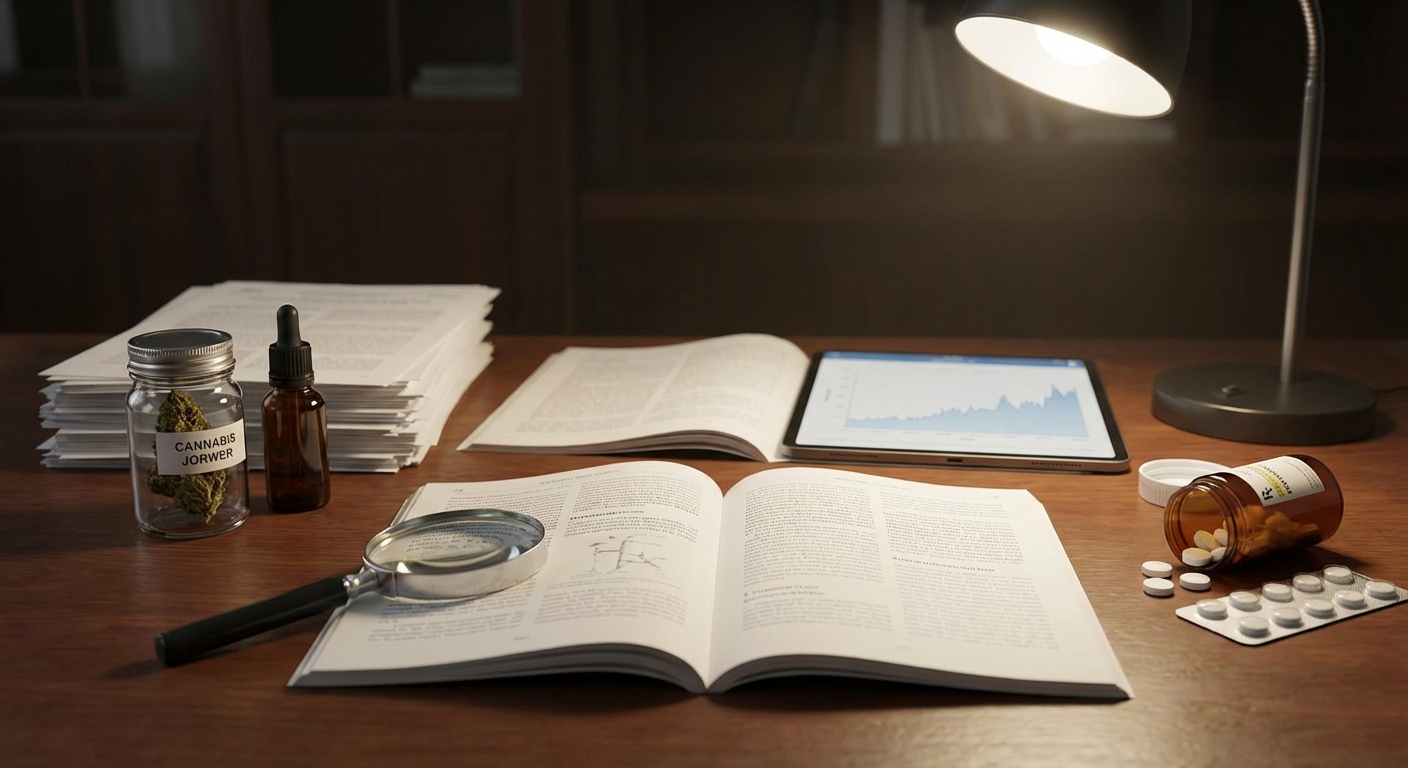
The Opioid Crisis and Why Cannabis Is Part of the Conversation
The opioid crisis has become one of the most pressing public health challenges of our time. Overdose trends show alarming numbers, with tens of thousands of deaths occurring annually in the United States alone. Prescription painkillers, heroin, and synthetic opioids like fentanyl have created a perfect storm, affecting families and communities across every demographic.
But here’s where things get interesting: researchers and public health experts are increasingly asking whether cannabis could play a role in addressing this crisis. It’s not about replacing medical treatment entirely, but rather exploring how cannabis might fit into a broader pain management strategy.
The conversation around cannabis and opioids centers on several key areas:
- Substitution effects: Some patients report using cannabis as an alternative to opioids for managing chronic pain, potentially reducing their dependence on these highly addictive medications.
- Pain management approaches: Public health studies are examining whether cannabis can help patients achieve adequate pain relief while lowering opioid doses.
- Policy implications: Lawmakers are considering how cannabis access might influence overdose trends and opioid prescribing patterns.
What makes this conversation so important is that we’re looking at the problem from multiple angles. Cannabis isn’t being proposed as a miracle cure, but rather as one potential tool that deserves serious scientific investigation alongside traditional pain management strategies.
The evidence is still emerging, and researchers are working hard to separate hype from reality. But the fact that medical professionals and policymakers are willing to explore all options shows just how desperate we are to turn the tide on this crisis. Understanding what research actually shows about the relationship between cannabis and opioids is crucial for making informed decisions about public health and pain management moving forward.
Does Cannabis Actually Replace Opioid Use?
One of the most compelling questions researchers have been asking is whether people actually substitute cannabis for opioids when they have access to it. This substitution effect—if it exists—could be a game-changer for public health strategies dealing with the overdose crisis.
Several studies have found some encouraging signals. A notable analysis looking at state-level data discovered that states with legal medical cannabis programs reported lower opioid prescriptions and fewer overdose deaths compared to states without such programs. The idea is straightforward: if someone experiences pain relief from cannabis, they might need fewer opioids or skip them altogether.
However, the picture isn’t entirely clear-cut. Here’s what we know so far:
- Mixed evidence on substitution: While some research supports the substitution theory, other studies show that people often use both substances rather than one or the other. This is called co-use, and it complicates the narrative significantly.
- Dosage matters: The amount of opioids someone reduces appears to depend on various factors, including pain severity, cannabis availability, and personal preference.
- Population differences: Younger adults and chronic pain patients show different patterns of potential substitution than other groups.
The research suggests cannabis may help some people reduce their opioid use, particularly for chronic pain management. Yet it’s not a universal solution. Some patients find they need both medications, or they use cannabis to manage side effects of opioids rather than as a complete replacement.
Understanding these substitution effects is crucial for developing smarter pain management strategies and potentially reducing overdose risks. But it requires moving beyond the either-or conversation and looking at how these substances interact in real-world settings.
What the Research Actually Says About Cannabis as a Pain Management Alternative
Here’s something that might surprise you: when people struggling with opioid addiction were asked why they turned to cannabis, pain management topped the list. But does cannabis actually work as a substitute for opioids? That’s where the research gets interesting—and a bit complicated.
Multiple public health studies have started examining whether cannabis can help reduce opioid use, particularly among chronic pain patients. Some research suggests promise. A notable study published in JAMA Internal Medicine found that medical cannabis legalization was associated with reduced opioid prescribing rates. Other research indicates that patients using cannabis reported lower pain levels and decreased opioid dependency.
But let’s be honest about what we don’t know yet. Most existing studies are observational rather than randomized controlled trials, meaning we can’t definitively say cannabis causes the reduction in opioid use. There’s also limited research on dosing, long-term effectiveness, and which specific cannabis products work best for different pain conditions.
What researchers do agree on is this: cannabis shouldn’t be viewed as a magical solution. Instead, it might be one tool in a broader pain management toolkit that could include:
- Physical therapy and exercise
- Mental health support
- Lower opioid doses when necessary
- Other non-addictive pain medications
The substitution effects we’re seeing in overdose trends suggest something meaningful is happening, but responsible policy and medical practice require us to keep asking tough questions. We need more rigorous clinical trials and better understanding of which patients benefit most. Until then, cannabis shows potential—but it’s not a complete answer to the opioid crisis on its own.