
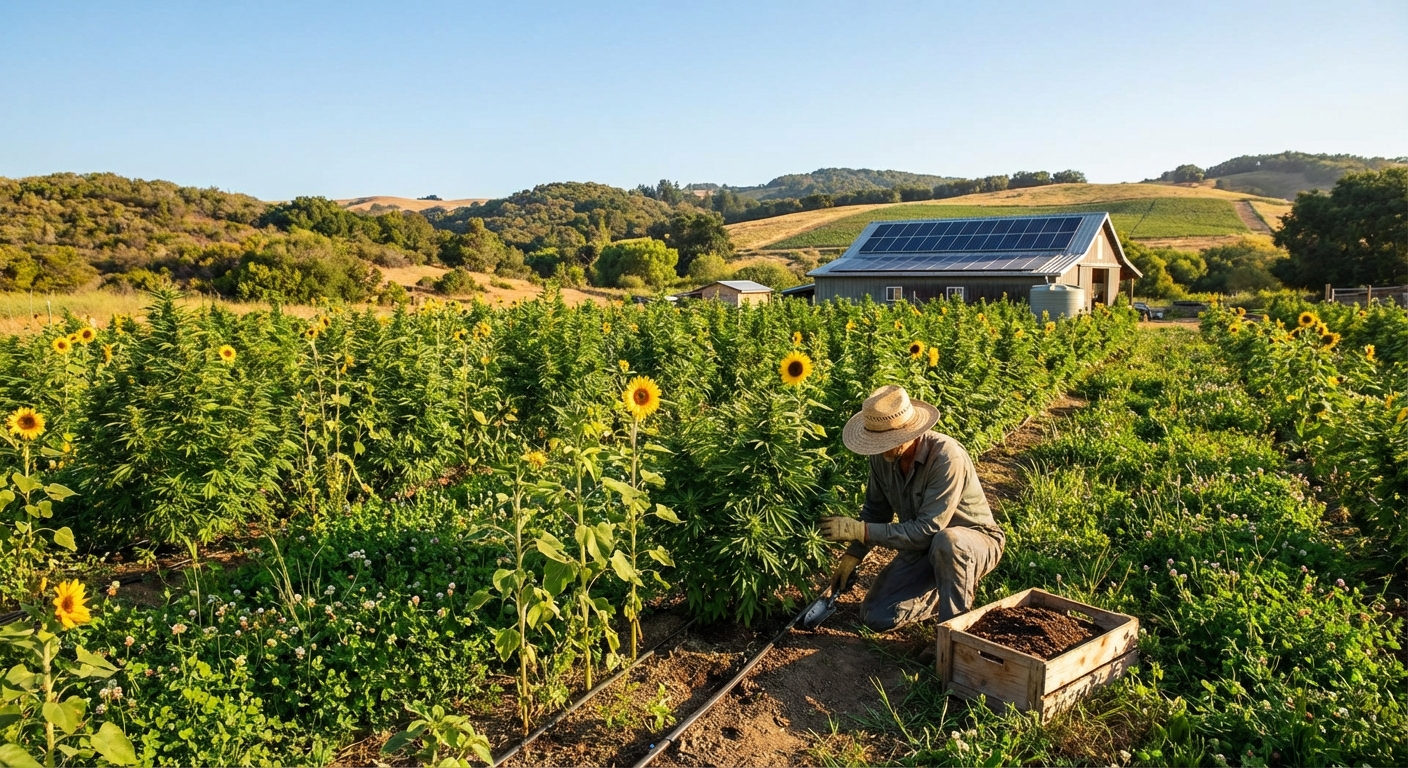
The Hidden Energy Costs: Understanding Cannabis Cultivation’s Power Consumption
When we talk about cannabis farming, most people think about the plants themselves. But here’s what often gets overlooked: the energy consumption behind the scenes is absolutely massive. Indoor cannabis cultivation is one of the most energy-intensive agricultural operations out there, and understanding these hidden costs is crucial for anyone serious about sustainable farming.
Let’s break down where all that power goes. Growing cannabis indoors requires constant climate control, specialized lighting systems, and ventilation equipment running 24/7. High-intensity discharge lights or LED systems consume enormous amounts of electricity, sometimes accounting for 40-60% of a facility’s total energy use. Then you’ve got your HVAC systems working overtime to maintain perfect temperature and humidity levels that cannabis plants demand.
The carbon emissions from this energy consumption are significant. When a cultivation facility pulls power from the grid, especially in regions relying on fossil fuels, the carbon footprint can be shocking. We’re talking about operations that consume as much electricity as small towns in some cases.
This is where sustainability standards become really important. Progressive growers are now investing in:
LED lighting systems that cut energy use dramatically
Renewable energy sources like solar panels
Advanced climate control systems with smart automation
Greenhouse operations that maximize natural light
Auditing your energy use isn’t just good for the planet—it’s smart business. Facilities that tackle these hidden energy costs see reduced operating expenses and improved their environmental impact simultaneously. Understanding your power consumption is the first step toward building a truly sustainable cannabis operation.
Water Management: A Critical Resource in Indoor Cannabis Operations
When we talk about sustainable cannabis cultivation, water management often gets overshadowed by discussions about energy consumption. But here’s the thing – water is just as crucial to the conversation. Indoor cannabis farms can use anywhere from 5 to 15 gallons of water per pound of dried flower, which adds up fast when you’re running a commercial operation.
The water challenge goes beyond just the volume. It’s about how we source it, treat it, and manage what happens after it’s been used in the growing process. Most indoor facilities rely on municipal water supplies or groundwater, which means we’re tapping into resources that entire communities depend on. That’s a responsibility we can’t take lightly.
Smart water management in cannabis cultivation involves several key strategies:
Recirculating systems: These closed-loop approaches capture and reuse water, dramatically reducing overall consumption
Climate control optimization: Managing humidity and temperature prevents unnecessary water loss through evaporation
Drip irrigation: Precision watering delivers moisture exactly where plants need it, minimizing waste
Rainwater harvesting: Capturing natural precipitation offsets municipal water dependency
Wastewater treatment: Properly treating runoff before it leaves the facility protects local water systems
Progressive farms are now implementing real-time monitoring systems that track water usage down to individual grow zones. This data-driven approach helps identify inefficiencies quickly and adjust operations accordingly. When you understand your water footprint, you can actually do something about it.
The goal isn’t perfection – it’s continuous improvement. Every gallon we save is a gallon that stays available for communities and ecosystems. That’s what sustainable cultivation really means.
Water Management: The Often-Overlooked Resource in Cannabis Farming
When we talk about sustainable cannabis cultivation, energy usually steals the spotlight. But here’s the thing—water consumption is equally critical, and honestly, it’s a conversation we need to have more often. Cannabis plants are thirsty crops, and depending on your growing method, water use can become a serious sustainability concern.
Indoor cultivation facilities typically require massive amounts of water for both plant irrigation and climate control systems. We’re talking hundreds of gallons per plant annually. That’s a significant burden on local water supplies, especially in regions already dealing with drought conditions. Outdoor growers face different challenges, but they’re not off the hook either. Runoff from cannabis farms can contaminate groundwater and nearby ecosystems if not managed carefully.
Smart Water Use Strategies
The good news? There are practical ways to reduce water waste. Here’s what forward-thinking farms are implementing:
Closed-loop irrigation systems that recycle water and minimize waste
Soil moisture sensors that deliver water only when plants actually need it
Rainwater harvesting for supplemental irrigation during outdoor growing seasons
Drip irrigation instead of traditional spraying methods
We’ve also seen farms shift toward growing mediums that retain moisture better, reducing overall water demand. Some facilities are even exploring wastewater treatment and recycling systems to get a second life out of used water.
At the end of the day, sustainable cannabis farming means treating water like the precious resource it truly is. When we implement thoughtful water management practices, we’re not just reducing our environmental footprint—we’re protecting the communities where we operate and ensuring long-term viability for our farms. That’s the kind of responsibility that matters.
Water Management: The Lifeblood of Sustainable Cannabis Farming
When we talk about sustainable cannabis cultivation, energy consumption often steals the spotlight. But here’s what many growers overlook: water use can be just as critical to your operation’s environmental footprint. Cannabis plants are thirsty crops, and how you manage that water consumption directly impacts both your sustainability standards and your bottom line.
Indoor cannabis cultivation typically requires significant water resources. Plants need consistent hydration, cooling systems demand water for temperature regulation, and humidity control systems add even more to the total consumption. A single indoor grow operation can use thousands of gallons daily, making water efficiency a serious sustainability concern.
The good news? There are proven strategies to reduce your water footprint:
Implement recirculating systems: Capture and reuse water through closed-loop irrigation rather than letting it drain away
Monitor soil moisture: Smart sensors help you deliver precisely what plants need, eliminating waste
Upgrade to efficient cooling: Modern HVAC systems minimize water loss compared to older evaporative models
Collect rainwater: Supplement your supply with harvested precipitation when possible
Auditing your water use is essential. Track consumption metrics regularly and benchmark against industry standards. This data becomes invaluable when working toward sustainability certifications and helps you identify where improvements will have the biggest impact.
Remember, sustainable farming isn’t about perfection—it’s about continuous improvement. Start measuring your water consumption today, implement one or two efficiency upgrades this quarter, and build from there. Your operation, your wallet, and the environment will thank you.
Water Management: The Unsung Hero of Sustainable Cannabis Farming
When we talk about sustainable cannabis cultivation, energy often grabs the headlines, but let’s be honest—water is equally critical. Cannabis plants are thirsty crops, and managing water use responsibly can make or break your farm’s environmental footprint.
Here’s what many growers don’t realize: cannabis cultivation can consume anywhere from 22 to 27 liters of water per gram of dried flower produced. That’s a lot of water, especially in regions already facing drought conditions. The challenge becomes even more pressing when you consider that indoor operations typically use more water than outdoor grows because of cooling and humidification systems.
The good news? There are proven strategies to minimize water waste:
Recirculating systems capture and reuse water, cutting consumption by up to 90 percent compared to traditional methods
Soil amendments like coco coir and peat moss improve water retention in plants
Drip irrigation delivers water directly to plant roots, reducing evaporation and runoff
Rainwater harvesting takes advantage of natural precipitation when available
Beyond reducing consumption, water quality matters too. Testing for contaminants ensures you’re not introducing harmful substances into your crops or the local ecosystem. Many forward-thinking farms are investing in filtration systems and regular water audits to stay on top of this.
The reality is that sustainable water management isn’t just about being environmentally responsible—it’s smart business. Farms that implement efficient water practices often see reduced operational costs and improved plant health. It’s a win-win that shows you’re serious about sustainability.
=== RELATED RESOURCES ===
Explore more about cannabis cultivation techniques and best practices:
– Learn about indoor cannabis cultivation methods and strategies
– Discover Vibe cannabis cultivation innovations and sustainable practices
– Understand cannabis industry regulations and environmental standards
– View our comprehensive cannabis dispensary guides for understanding the full market
– Explore opportunities in the marijuana investment landscape for business growth