
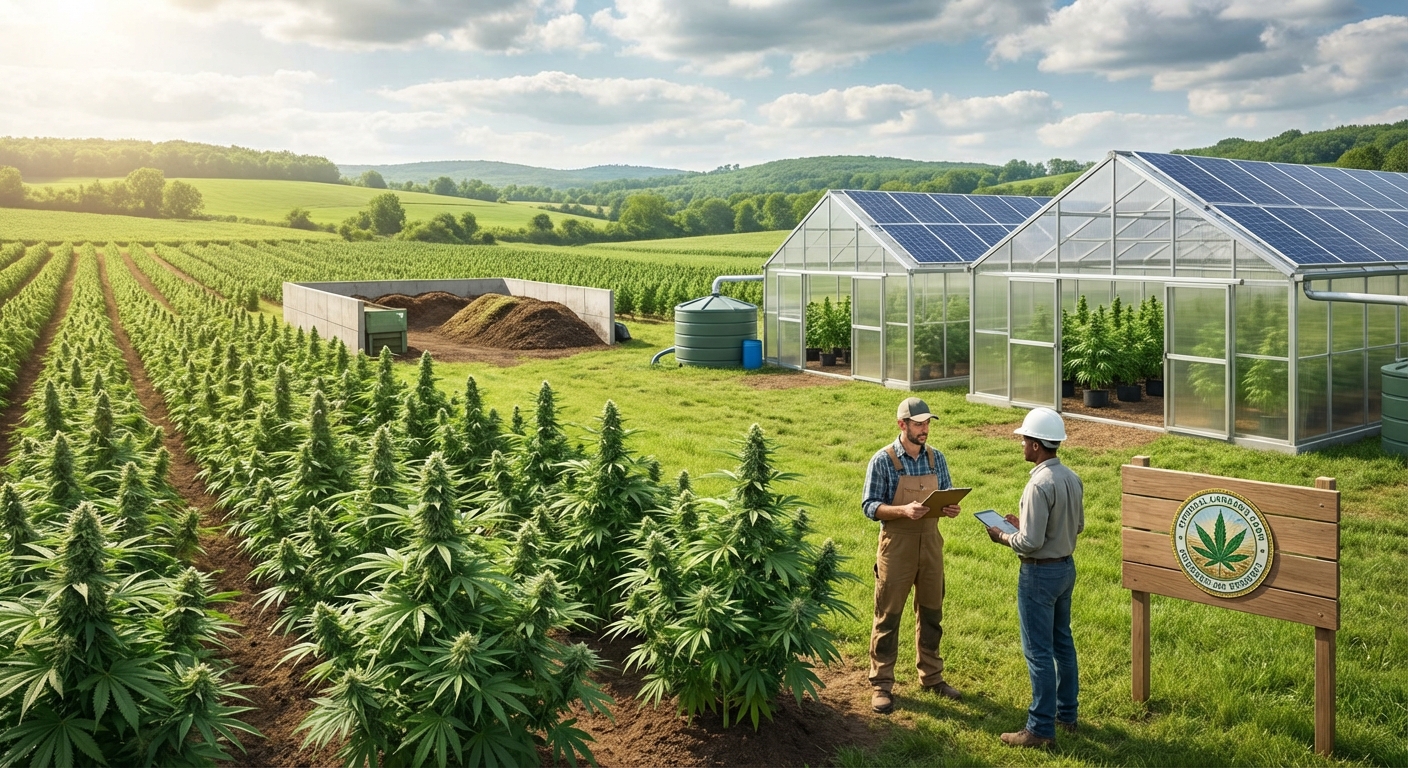
Understanding Cannabis Farm Licensing: What Growers Need to Know Today
If you’re thinking about starting a cannabis farm, you’ve probably realized that getting a license isn’t as simple as planting seeds and waiting for harvest. The licensing landscape for cannabis cultivation has become increasingly complex, with regulations varying significantly from state to state and even between counties. Understanding what’s required before you apply can save you time, money, and headaches down the road.
The foundation of any cannabis farm licensing process starts with knowing your local regulations. Each jurisdiction has its own set of rules governing everything from the size of your operation to the types of growing methods you can use. Some areas focus heavily on outdoor cultivation to support rural economies, while others prioritize indoor facilities for environmental control. Before you invest in infrastructure or submit applications, spend time researching what your specific region allows.
Beyond the basic application, licensing requirements typically include several critical components:
- Detailed farm plans showing your layout and operations
- Security measures and monitoring systems
- Record-keeping procedures for compliance tracking
- Financial documentation and ownership transparency
- Environmental impact assessments
Most importantly, successful growers understand that farm licensing is an ongoing commitment, not a one-time checkbox. You’ll need to stay current with pesticide rules, water rights agreements, and enforcement requirements that evolve constantly. Many states now mandate regular compliance inspections and require growers to maintain detailed documentation of their practices.
The good news? Thousands of growers have successfully navigated this process and built thriving, sustainable operations. By approaching licensing strategically and staying informed about regulatory changes, you can position your cannabis farm for long-term success while contributing positively to your local agricultural community.
Navigating Pesticide Rules and Water Rights for Your Cannabis Farm
When you’re running a cannabis farm, understanding pesticide regulations and water rights isn’t just about compliance – it’s about protecting your investment and your community. Let’s break down what you really need to know.
Pesticide Regulations: More Than Just Spraying
Most states have strict guidelines about which pesticides you can use on cannabis crops. Unlike traditional agriculture, many standard pesticides are off-limits because cannabis is still federally controlled. This means you’ll need to work with approved products and maintain detailed records of everything you apply. It’s not just paperwork either – regular testing for pesticide residues is typically required before you can sell your product. Getting this wrong can mean failed batches, fines, or losing your license entirely.
Water Rights: Understanding Your Allocation
Water is precious, especially in rural areas. Your farm licensing will likely include specific water rights and usage limits. You’ll need to understand whether you’re drawing from wells, surface water, or municipal sources, and how much you’re legally allowed to use. Some regions require water management plans that show you’re using irrigation efficiently. During drought conditions, these restrictions can become even tighter, so having a solid water conservation strategy isn’t optional.
The Enforcement Reality
State agricultural departments and environmental agencies take these rules seriously. They conduct inspections, review your pesticide applications, and monitor water usage. Building a compliant operation from day one saves you headaches later. Connect with your local extension office or agricultural board – they can guide you through specific requirements in your area and help you stay ahead of regulations.
Navigating Pesticide Rules and Water Rights in Cannabis Agriculture
When you’re running a cannabis farm, pesticide regulations and water rights aren’t just bureaucratic checkboxes – they’re fundamental to your operation’s success and sustainability. Getting these right can make the difference between a thriving business and costly compliance headaches.
Let’s start with pesticides. Most jurisdictions have strict rules about which products you can use on cannabis crops. Unlike some agricultural sectors, cannabis farming typically prohibits many conventional pesticides entirely. This means you’ll need to familiarize yourself with approved alternatives like beneficial insects, neem oil, or sulfur-based treatments. Before you plant anything, check your local regulations – they vary significantly by state and county. Some areas maintain a whitelist of approved products, while others define what’s banned. It’s worth connecting with your local agricultural extension office or licensing board to get the most current guidance.
Water rights present another layer of complexity that growers often underestimate. Cannabis is thirsty, and if you’re in a water-stressed region, you might face limitations on how much you can draw. Some states tie cannabis cultivation licenses to existing water rights, meaning you can’t just tap into groundwater freely. You may need to prove you have adequate water sources before your license is approved. This could mean investing in rainwater collection systems, using reclaimed water, or securing senior water rights on your property.
Both of these areas directly impact your bottom line and your farm’s environmental footprint. Smart growers invest time upfront understanding local pesticide rules and documenting their water sources. It protects your investment, keeps you compliant with regulators, and positions your operation as responsible – which increasingly matters to consumers and retailers alike.
Navigating Pesticide Rules and Water Rights in Cannabis Cultivation
When you’re getting into cannabis farming, two regulatory areas often catch growers off guard: pesticide regulations and water rights. These aren’t just bureaucratic hurdles – they’re fundamental to running a legitimate, sustainable operation that won’t land you in legal trouble.
Let’s start with pesticides. Most jurisdictions have strict guidelines about which chemicals you can and can’t use on cannabis. Unlike some agricultural crops, cannabis farming often falls under tighter restrictions because the product is consumed directly. You’ll typically find that only approved pesticides are legal, and keeping detailed records of every application is mandatory. Many states require integrated pest management (IPM) practices first – meaning you exhaust natural pest control methods before reaching for chemicals.
Water rights are equally critical but often misunderstood. Cannabis is a water-intensive crop, and depending on where you’re located, water availability might be your biggest limiting factor. Some regions require you to:
- Obtain separate water permits before beginning cultivation
- Prove you have sustainable water sources
- Document water usage and disposal methods
- Comply with local drought restrictions
The good news? Understanding these rules upfront protects your investment. Before you invest in infrastructure or seeds, research your local water availability and check which pesticides are pre-approved for cannabis. Many successful growers build relationships with agricultural extensions in their area – they’re goldmines of practical information.
Getting these foundations right doesn’t just keep you compliant; it positions your farm as a responsible player in your community and local rural economy. That reputation matters when licensing renewal time comes around.