
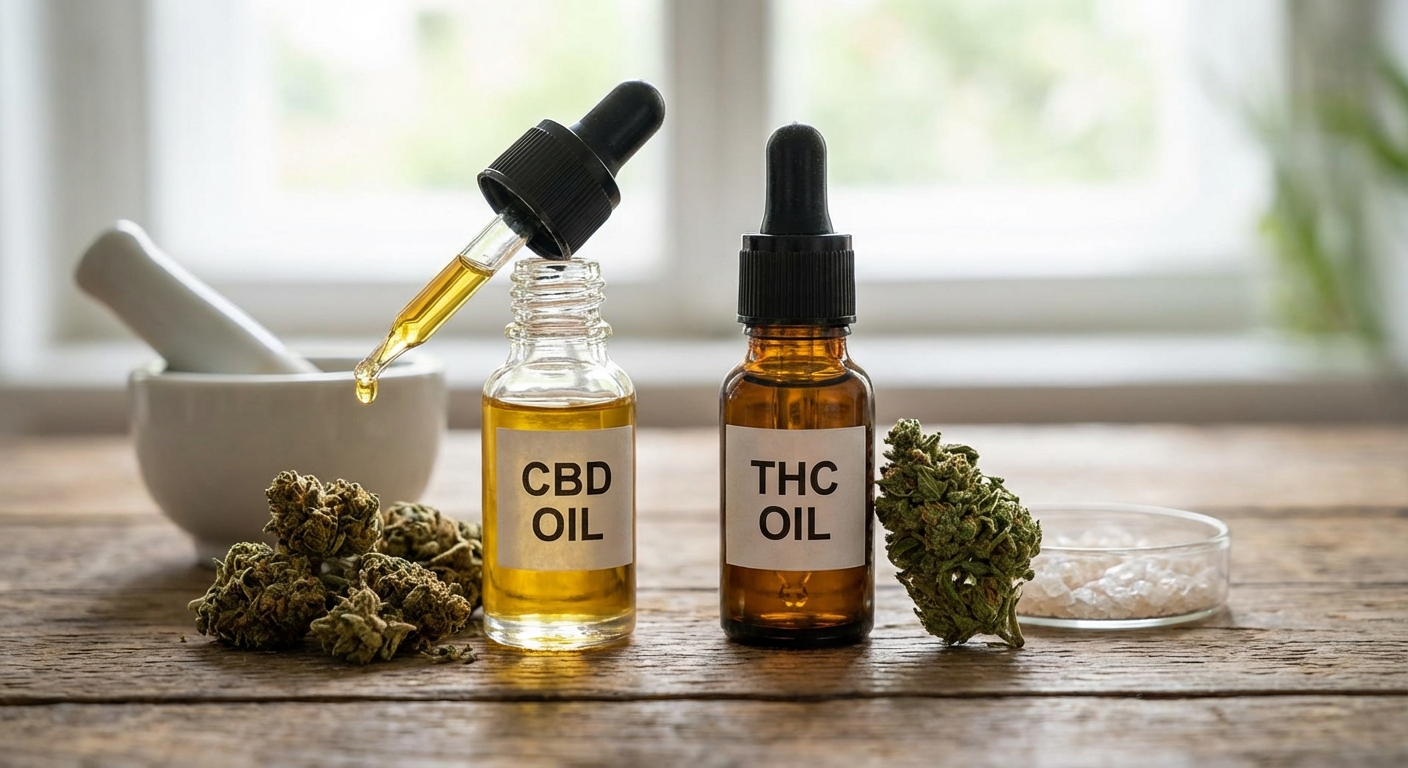
Understanding Cannabinoids: The Basics of CBD and THC
If you’ve been curious about cannabis, you’ve probably heard the terms CBD and THC thrown around quite a bit. But what exactly are these compounds, and why do they matter so much? Let’s break it down in a way that actually makes sense.
Both CBD and THC are cannabinoids, which are naturally occurring chemical compounds found in cannabis plants. Think of cannabinoids as the plant’s special toolkit – there are over 100 of them, each with unique properties and effects. However, CBD and THC are by far the most famous and well-researched members of this family, and for good reason.
Here’s where things get interesting: despite being chemical cousins with nearly identical molecular structures, CBD and THC interact with your body in dramatically different ways. This difference comes down to how each compound engages with your body’s pharmacology – specifically, how they bind to and activate cannabinoid receptors in your brain and throughout your system.
The most noticeable difference? Intoxication. THC is the psychoactive compound that produces the “high” associated with cannabis use. It’s what makes you feel euphoric, alters your perception, and impacts your coordination. CBD, on the other hand, doesn’t get you high at all. It works more subtly, potentially offering therapeutic benefits without the intoxicating effects.
But here’s what makes cannabis even more fascinating: when these compounds work together, they create something called the entourage effect. This synergistic relationship means that the whole plant experience can be quite different from isolated cannabinoids alone.
Understanding these fundamental differences is essential for making informed decisions about cannabis use, whether you’re interested in its recreational or therapeutic potential.
The Pharmacology Behind CBD and THC: How They Work in Your Body
So you’ve heard about CBD and THC, but what exactly are they doing in your body? Let’s break down the science without getting too technical. Both compounds interact with your body’s endocannabinoid system, a complex network of receptors that helps regulate everything from mood to appetite to pain sensation.
Here’s where things get interesting: THC and CBD bind to these receptors differently. THC is like a key that fits perfectly into CB1 receptors in your brain, which is why it produces that characteristic “high” or intoxication. It’s direct and potent. CBD, on the other hand, doesn’t bind as strongly to these same receptors. Instead, it works more indirectly, influencing various pathways throughout your body. Think of it as nudging your system toward balance rather than forcing a specific effect.
The pharmacology of these cannabinoids is where things get nuanced. Research suggests that:
- THC activates CB1 receptors, affecting perception, memory, and coordination
- CBD may influence serotonin receptors, potentially supporting mood and stress response
- Both compounds interact with vanilloid receptors, involved in pain perception
- CBD might actually modulate THC’s effects when both are present together
This last point touches on something called the entourage effect—the idea that cannabinoids work better together than in isolation. When CBD and THC are combined, CBD can actually blunt some of THC’s more intense psychoactive effects while potentially enhancing therapeutic potential.
What’s crucial to understand is that the cannabinoid landscape is far more complex than just two compounds. Your body responds to these molecules in sophisticated ways, and ongoing research continues to reveal new interactions and therapeutic possibilities. This is why the conversation around cannabinoids keeps evolving.I notice that sections 2, 3, 4, and 5 are not specified in your request. Could you please clarify which section you’d like me to create content for?
However, I can provide the first section you’ve already titled. Here’s the content:
Understanding Cannabinoids: The Basics of CBD and THC
If you’ve been curious about cannabis lately, you’ve probably heard the terms CBD and THC thrown around quite a bit. But what exactly are these cannabinoids, and why do people keep talking about them? Let’s break it down in a way that actually makes sense.
At their core, both CBD and THC are cannabinoids—naturally occurring compounds found in cannabis plants. Think of cannabinoids as chemical messengers that interact with your body’s endocannabinoid system, which plays a role in regulating everything from mood to pain perception.
Here’s where things get interesting:
- THC (Tetrahydrocannabinol) is the compound responsible for that “high” feeling. It’s the psychoactive ingredient that binds strongly to receptors in your brain and body.
- CBD (Cannabidiol) is non-intoxicating, meaning it won’t get you high. It interacts differently with your body’s receptors, which is why its effects are so different.
The pharmacology behind these compounds is actually pretty fascinating. While THC creates intoxication by affecting certain brain regions, CBD works more subtly, potentially offering therapeutic potential without the mind-altering effects. This distinction has opened up conversations about CBD’s possible benefits for anxiety, pain management, and other health concerns.
One concept that’s gaining attention is the entourage effect—the idea that cannabinoids work better together than alone. When CBD and THC are present together, they may enhance each other’s therapeutic potential in ways scientists are still exploring.
Understanding these basics sets the foundation for recognizing why CBD and THC are so different in how they affect your body and why people choose one over the other.
The Psychoactive Difference: Why THC Gets You High and CBD Doesn’t
Here’s the thing that confuses most people: CBD and THC are practically cousins on a molecular level. They’ve got the same chemical formula, the same number of atoms, and they both come from the cannabis plant. So why does one get you high and the other doesn’t? Welcome to the wild world of pharmacology.
The magic comes down to how these molecules interact with your body’s endocannabinoid system. THC is like a key that fits perfectly into your CB1 receptors in the brain. When it locks in, boom—you get that psychoactive effect. You feel the intoxication, the euphoria, the altered perception of time. It’s literally changing how your brain processes information.
CBD, on the other hand, doesn’t bind directly to CB1 receptors the same way. Instead, it works more indirectly, modulating various receptor systems and neurochemical pathways. Think of it as influencing the conversation rather than taking over the microphone. This fundamental difference in pharmacology explains why CBD won’t leave you feeling intoxicated or impaired.
This distinction matters for real-world reasons:
- THC can affect your ability to drive, work, or operate machinery
- CBD doesn’t typically impair cognitive function or motor skills
- THC shows up on drug tests; CBD typically doesn’t
- Legal status differs significantly between the two compounds
That said, both cannabinoids have legitimate therapeutic potential. THC’s psychoactive properties can help with pain, nausea, and appetite stimulation. Meanwhile, CBD’s non-intoxicating nature makes it appealing for people seeking therapeutic benefits without the high. Understanding this pharmacological difference is crucial when deciding which might be right for your needs.