
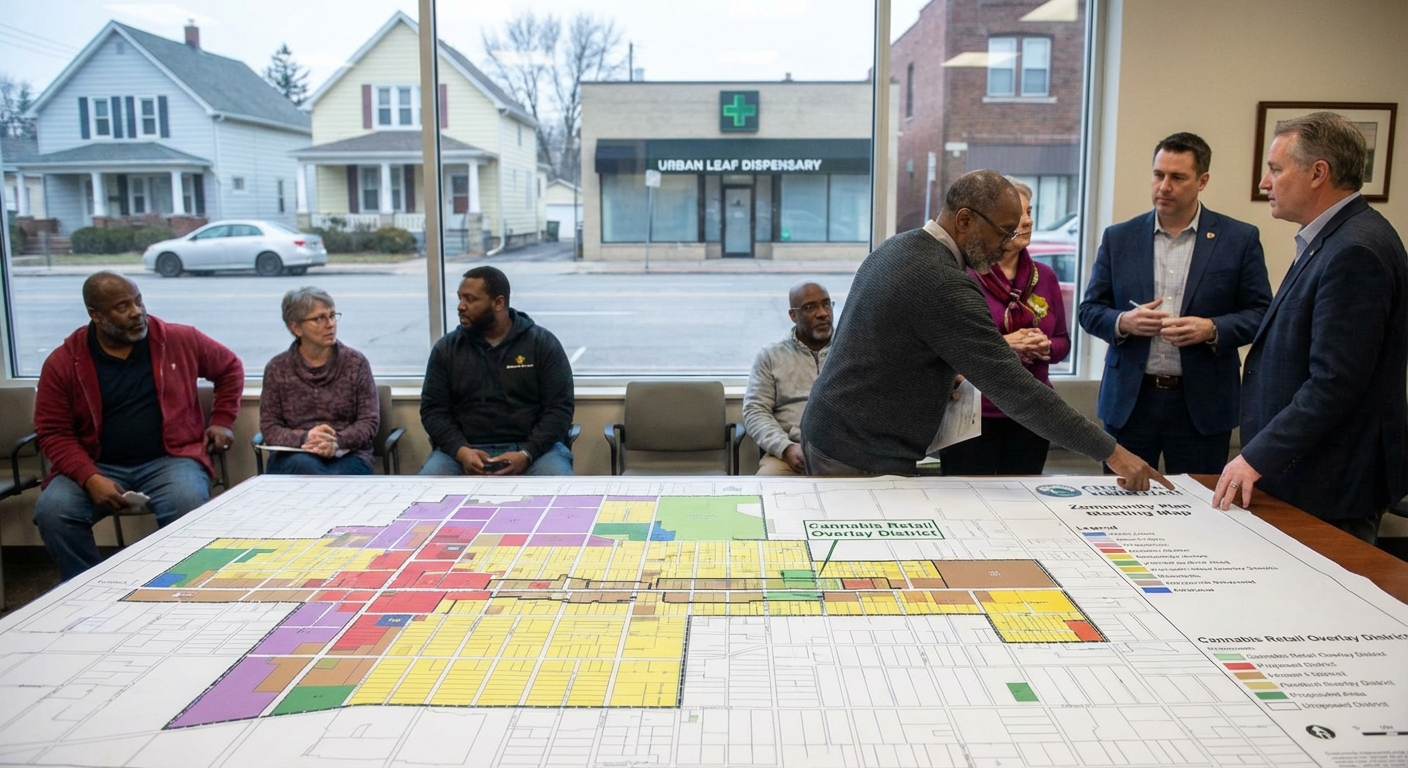
Understanding Dispensary Zoning: The Basics of Cannabis Land-Use Policy
Dispensary zoning might sound like legal jargon, but it’s really quite straightforward. It’s about deciding where cannabis retailers can legally operate in your community. Think of it as a set of rules that governments create to manage where dispensaries can set up shop, much like how cities zone areas for schools, parks, or commercial businesses.
At its core, dispensary zoning is part of a broader land-use policy framework that communities develop after legalizing cannabis. When a state or local government approves cannabis sales, they don’t just say “anyone can sell anywhere.” Instead, they establish specific guidelines about location, distance requirements, and proximity restrictions. These rules protect residents while allowing legitimate businesses to operate.
Here’s what typically goes into these policies:
Buffer zones – minimum distances dispensaries must maintain from schools, parks, and residential areas
Zoning districts – specific areas where cannabis retail is permitted or prohibited
Permitting requirements – applications, fees, and approval processes businesses must navigate
Operational standards – rules about security, hours, and customer access
Why does this matter? Because dispensary zoning directly affects cannabis access for residents. If your community creates very restrictive zones with large buffers and limited districts, fewer dispensaries can operate. This makes it harder for people to access legal products. Conversely, fewer restrictions might mean more access but potentially more community concerns.
The goal is finding balance. Communities want to support legal cannabis businesses while addressing neighborhood concerns about safety, youth access, and quality of life. That’s where community input becomes essential. Residents, business owners, and officials work together to shape policies that reflect their values and priorities.
The Role of Community Input in Shaping Dispensary Zoning Regulations
When it comes to dispensary zoning, communities aren’t just passive observers. They’re actually the driving force behind how cannabis access gets shaped. Local residents, business owners, and advocacy groups all have a say in where dispensaries can open and how they operate. This community input process is what makes cannabis land-use policy work on the ground level.
Most jurisdictions require public hearings and comment periods before finalizing their dispensary zoning regulations. During these sessions, residents can voice their concerns about foot traffic, public safety, and neighborhood impact. It’s this direct dialogue that helps shape policies reflecting what communities actually want, rather than what outside interests might prefer.
The beauty of community-driven zoning is that it creates accountability. When neighbors have a real voice in the permitting process, dispensary owners understand they need to be good community partners. This often leads to better operating practices, stronger security measures, and more responsible business behavior overall.
Getting meaningful community input requires effort. Effective engagement means reaching beyond the usual suspects who show up to every meeting. Smart municipalities use surveys, neighborhood meetings, and online feedback platforms to capture perspectives from diverse community members.
The most successful cannabis zoning policies tend to be those where communities feel heard. Whether it’s establishing protective buffers around schools or setting strict operational guidelines, these decisions work better when they reflect genuine community consensus. When residents feel like partners in the process rather than bystanders, they’re more likely to support and comply with the regulations that ultimately get adopted.