
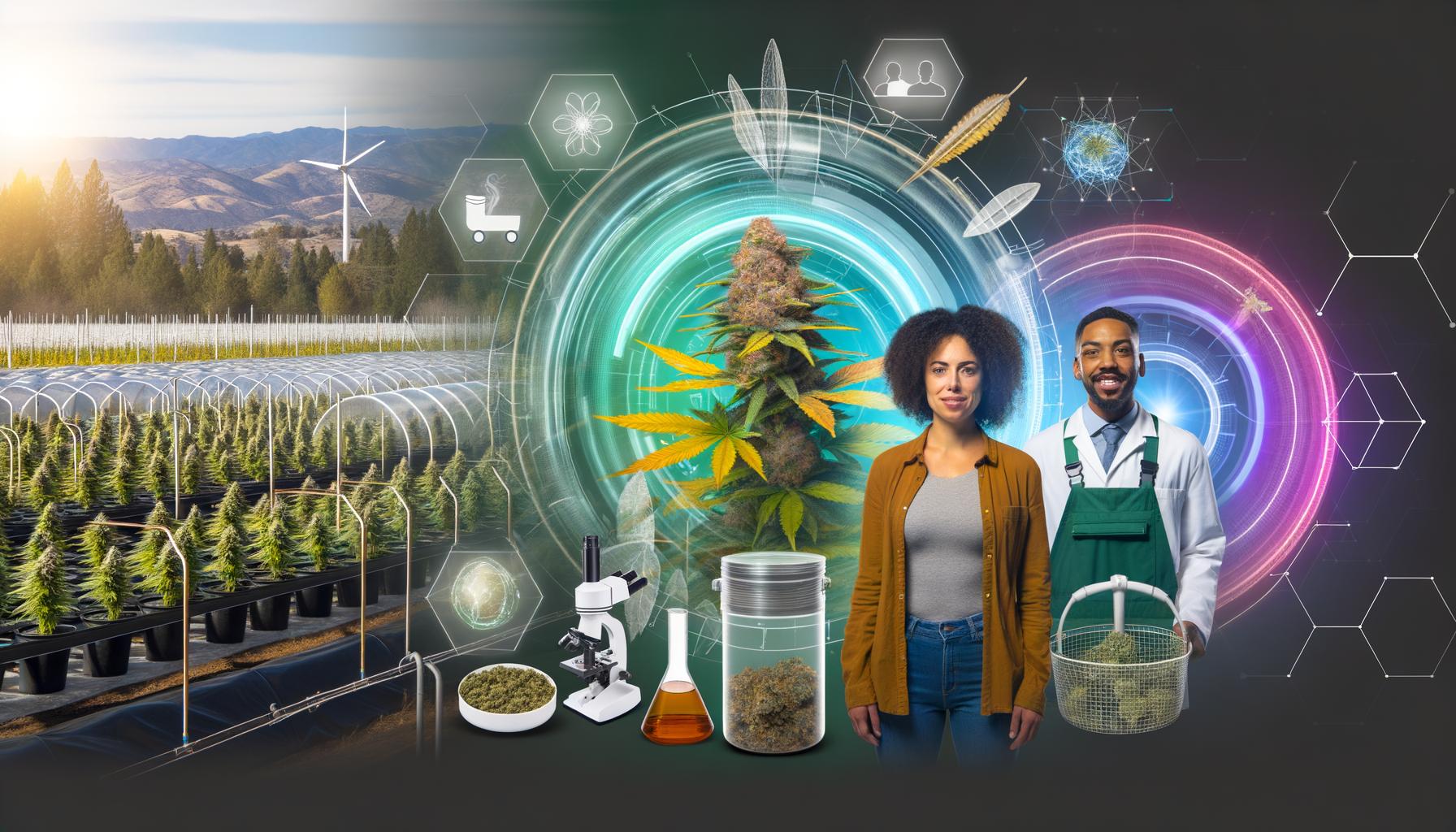
California’s Evolution as a Cannabis Innovation Hub
California has emerged as the undisputed epicenter of cannabis industry innovation, transforming from a legacy market into a sophisticated, tech-driven economy. The state’s unique combination of regulatory maturity, venture capital resources, and entrepreneurial talent has created an environment where cannabis business models are constantly evolving. From cultivation technology to distribution logistics, California’s cannabis sector is setting the standard for the entire nation.
The legalization landscape that began in 2016 opened unprecedented opportunities for regulated innovation. What started as compliance challenges quickly transformed into competitive advantages for companies willing to invest in research, development, and sustainable practices. Today, California cannabis innovation spans everything from advanced growing techniques to blockchain-based supply chain tracking.
Technology-Driven Cultivation and Sustainability
Sustainable cannabis business practices have become a cornerstone of California’s competitive advantage. Advanced cultivators are implementing precision agriculture technologies including automated climate control, AI-powered nutrient management, and LED lighting systems that dramatically reduce energy consumption. These innovations not only lower operational costs but also address environmental concerns that have long shadowed cannabis cultivation.
Water conservation represents a critical frontier in sustainable cannabis cultivation. California’s recurring drought challenges have spurred innovations in closed-loop irrigation systems, rainwater harvesting, and soil-based growing methods that use 50% less water than traditional approaches. Leading cultivation operations are now certified carbon-neutral, utilizing renewable energy and regenerative farming techniques that restore soil health.
Microbial science and organic pest management have revolutionized how cultivators approach plant health without relying on harmful pesticides. Integrated pest management programs, beneficial insect colonies, and biodynamic farming principles are becoming industry standards among premium producers. These practices result in higher quality products while maintaining environmental stewardship that resonates with California consumers.
Emerging Business Models and Market Diversification
Cannabis market trends in California show rapid diversification beyond traditional flower sales. Wellness brands are creating cannabis-infused beverages, edibles, topicals, and wellness products that appeal to health-conscious consumers and medical patients alike. The consumer packaged goods approach has brought professional marketing, quality control standards, and retail sophistication to the industry.
Vertical integration remains prevalent, but new collaborative models are emerging. Licensed producers, processing facilities, retailers, and testing labs are forming strategic partnerships that optimize efficiency and create specialized niches. Subscription services, direct-to-consumer models, and experiential retail concepts are reshaping how consumers interact with cannabis brands.
The craft cannabis movement mirrors California’s artisanal food and wine culture, emphasizing small-batch production, provenance, and genetic preservation. Premium cultivators are commanding prices comparable to fine spirits, building brand loyalty through terroir-driven storytelling and commitment to heritage genetics. This market segment demonstrates that cannabis has fully entered the luxury consumer goods space.
Social Equity and Inclusive Economic Growth
California’s cannabis industry growth is increasingly tied to social equity programs that address historical injustices from cannabis prohibition. Cities and the state have implemented licensing programs prioritizing applications from communities disproportionately impacted by the war on drugs. These initiatives have created genuine pathways for entrepreneurs of color to build generational wealth in a legal market.
Social equity applicants receive benefits including expedited licensing, fee reductions, technical assistance, and access to capital through state-backed programs. Mentorship networks connect experienced operators with newcomers, while community benefits agreements ensure that cannabis tax revenue flows back into affected neighborhoods. These programs represent a model for equitable economic development that extends far beyond the cannabis industry.
Community reinvestment has transformed California neighborhoods through funding for education, public health, environmental restoration, and workforce development. Tax revenues from cannabis have supported addiction treatment programs, youth education initiatives, and legal aid for those seeking cannabis-related conviction relief. This creates a virtuous cycle where industry growth directly benefits the communities that bore the greatest burden during prohibition.
The Future of California’s Cannabis Economy
Looking ahead, California cannabis market trends point toward consolidation at the high end while opportunity expands for specialized producers and service providers. Professional financial services, insurance, real estate, and technology companies are building cannabis-specific solutions, creating entire industries around the plant economy.
Interstate commerce and potential federal legalization represent the ultimate frontier for California’s cannabis sector. The state’s regulatory infrastructure, quality standards, and brand reputation position California producers to dominate national markets when legal barriers fall. However, competition from other states and traditional agricultural regions will intensify, requiring continued innovation and premium positioning.
California’s cannabis future is fundamentally tied to sustainability, social responsibility, and consumer education. Companies that master the intersection of environmental stewardship, community benefit, technological innovation, and product excellence will define the next era of industry leadership. The state that legalized cannabis first is now pioneering what responsible cannabis commerce looks like at scale.