
Understanding Age Limits: Why Keeping Cannabis Out of Young Hands Matters
Age limits are one of the most fundamental safety measures in the legal cannabis industry. Just like alcohol and tobacco, cannabis products come with age restrictions that vary by location, typically ranging from 18 to 21 years old. But these aren’t just arbitrary rules—they’re based on solid science and public health concerns.
The teenage brain is still developing, and research shows that cannabis use during these critical years can affect memory, learning, and overall cognitive function. Young people’s brains continue developing well into their mid-20s, making this period especially vulnerable. Age limits exist specifically to protect young people from these potential harms during their most formative years.
Why Age Limits Matter
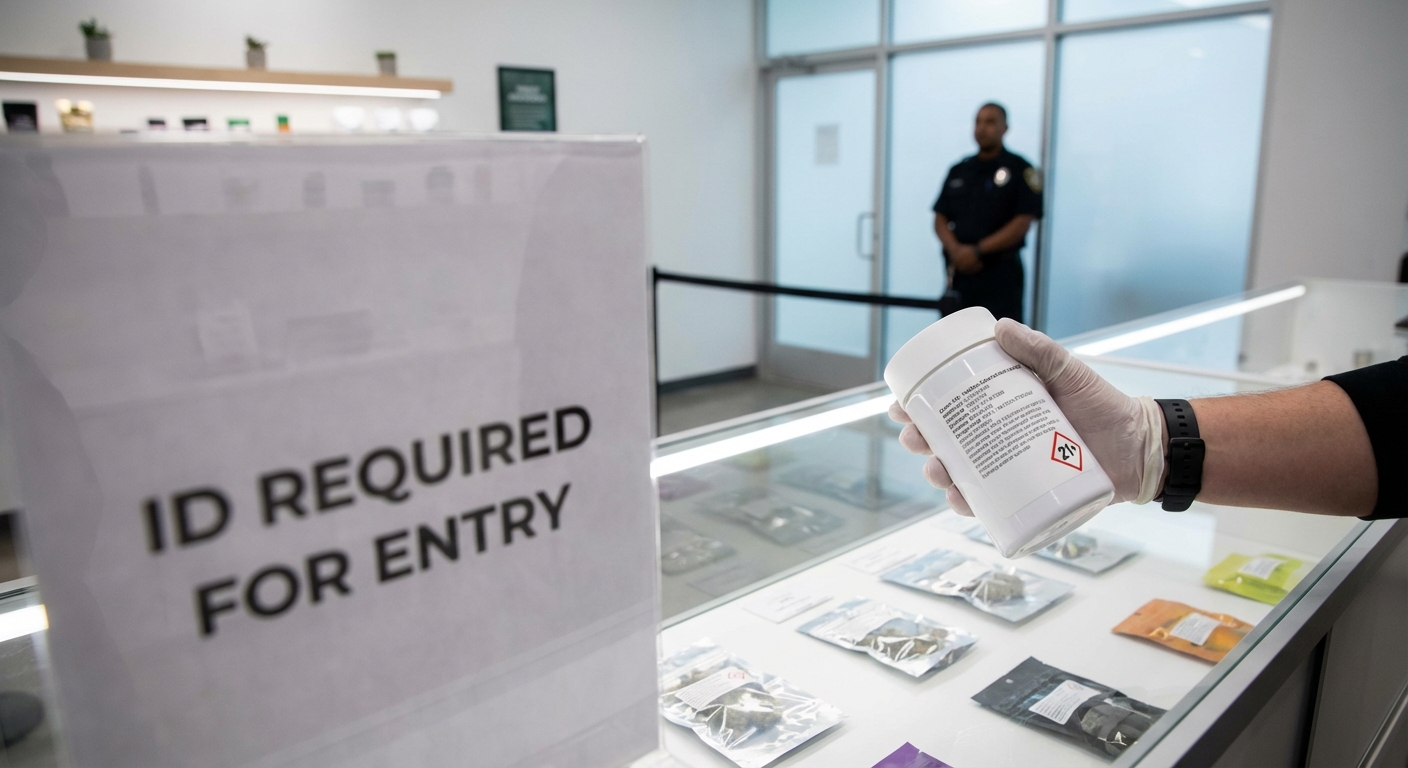
Legal age restrictions create a clear boundary that helps protect communities. When cannabis is sold through regulated, age-restricted channels rather than illegal markets, we can better track distribution and ensure quality standards. Licensed retailers are trained to check identification and refuse sales to minors—something that simply doesn’t happen in unregulated markets.
Beyond retail compliance, age limits also play a role in broader prevention programs. Public education campaigns often emphasize legal age requirements, helping young people understand why these restrictions exist. Parents and educators can use age limits as teaching tools, discussing the reasons behind these regulations in age-appropriate ways.
The reality is that keeping cannabis away from young hands requires multiple layers of protection. Age verification at the point of sale is just one piece of the puzzle. Combined with proper packaging rules, marketing restrictions, and community education, age limits form a comprehensive approach to cannabis safety.
Communities that enforce strong age limits consistently report fewer youth access incidents. This shows that when these rules are taken seriously by retailers and supported by local authorities, they genuinely work to keep cannabis products where they belong—in adult hands only.
Smart Packaging: The First Line of Defense Against Misuse
When you walk into a legal cannabis retailer, you’ll notice something pretty important right away—the packaging looks nothing like regular consumer products. That’s no accident. Smart packaging rules are designed as a crucial barrier between cannabis products and the wrong hands, especially young people who might be tempted to experiment.
Here’s what makes packaging rules so effective:
- Child-Resistant Containers: Most jurisdictions require cannabis to be sold in packaging that’s genuinely difficult for kids to open. We’re talking about containers that need a certain level of dexterity and problem-solving skills—something young children simply don’t have yet.
- Clear Labeling Requirements: Every package must clearly display THC and CBD content, serving sizes, and health warnings. This transparency helps consumers make informed decisions and prevents accidental overdosing.
- No Appealing Designs: Packaging can’t feature bright colors, cartoon characters, or anything else that might attract children. This removes the “fun factor” that could make products appealing to young people.
- Warning Labels: Prominent health warnings about risks—especially for developing brains—are mandatory on every package.
Think of packaging rules as the gatekeeper of cannabis safety. When a product arrives in a nondescript, clearly labeled, child-resistant container with stern warnings, it sends a message: this isn’t candy, and it isn’t for kids.
The beauty of these regulations is that they work quietly in the background. Parents can feel more confident that if cannabis is in their home, it’s stored in a way that genuinely protects their children. Meanwhile, adults can still access the products they’re legally entitled to use, knowing exactly what they’re getting.
Smart Packaging: The First Line of Defense Against Accidental Access
When you walk into a legal cannabis retailer, you’ll notice something immediately: the products look nothing like they did in the past. Modern packaging requirements have completely transformed how cannabis is sold, and there’s a really good reason for that. Smart packaging design is one of the most effective ways to prevent young people from accidentally—or intentionally—getting their hands on cannabis products.
The packaging rules we see today weren’t created randomly. They’re based on years of research showing what actually works to keep kids safe. Most jurisdictions now require child-resistant packaging, which means special containers that are genuinely difficult for young children to open, yet manageable for adults. These aren’t just slightly tougher bottles—they’re specifically designed with mechanisms that require a combination of actions, like pushing and twisting simultaneously, to access the product inside.
Beyond child-resistant features, packaging regulations also mandate clear labeling and warnings. Every package must display:
- Health warnings about potential risks
- THC and CBD content information
- Allergen information
- Proper storage instructions
- Age restriction notices
What’s particularly important is that packaging can’t be designed to appeal to younger audiences. No cartoon characters, bright colors that mimic candy packaging, or misleading claims about the product’s effects are allowed. This prevents cannabis products from looking attractive or confusing to kids who might mistake them for regular treats.
These packaging rules work hand-in-hand with age limits and other safety measures. Together, they create multiple barriers that make it significantly harder for young people to access cannabis products, even if a product somehow makes it into a household. It’s all about building a comprehensive safety system that protects our communities.
Smart Packaging Rules: The First Line of Defense
When you walk into a legal cannabis retailer, you’ll notice something pretty important right away—the packaging looks nothing like candy or everyday products. That’s not an accident. Smart packaging rules are one of the most effective ways communities protect young people from accidental consumption and misuse.
Here’s why packaging matters so much: cannabis products can look incredibly appealing to kids. Gummies might resemble regular candy, chocolates could pass for store-bought treats, and colorful packaging might catch a child’s eye just like any other consumer product. That’s exactly why regulations require child-resistant packaging and clear labeling.
What Do These Rules Actually Look Like?
- Child-resistant containers: Products must be in packaging that’s difficult for children under five to open, but still manageable for adults.
- Warning labels: Clear, prominent warnings about THC content and health risks appear on every package.
- Standardized dosing information: Consumers know exactly how much they’re getting in each serving.
- No appealing graphics: Restrictions prevent packaging from targeting or appealing to minors.
These packaging rules work together with age limits and prevention programs to create multiple safety layers. When a teenager can’t easily open a package, can’t be attracted to misleading labels, and understands the warnings, they’re much less likely to casually consume cannabis.
The beauty of good packaging regulations is that they protect everyone—accidental consumption by young children drops significantly, and adults get the clear information they need to make informed decisions. It’s a straightforward approach that respects adult access while keeping vulnerable people safe.