
Understanding Secondhand Cannabis Smoke: What the Research Actually Shows
When it comes to secondhand cannabis smoke, the science is still catching up to public policy. Unlike cigarette smoke, which has decades of research behind it, cannabis smoke exposure is a relatively newer area of study. But what we’re learning is pretty important for anyone sharing indoor spaces with cannabis users.
Research shows that secondhand cannabis smoke does contain active cannabinoids, including THC—the compound that produces a high. Studies have found detectable levels of THC in the blood and urine of people exposed to cannabis smoke in enclosed spaces, even when they weren’t actively smoking. This matters because it raises real questions about involuntary exposure and indoor air quality.
The good news? The exposure risk appears lower than with secondhand cigarette smoke. Cannabis smoke typically dissipates more quickly in ventilated spaces, and the amount of THC that transfers through secondhand exposure is generally minimal. Most people won’t experience noticeable psychoactive effects from casual exposure.
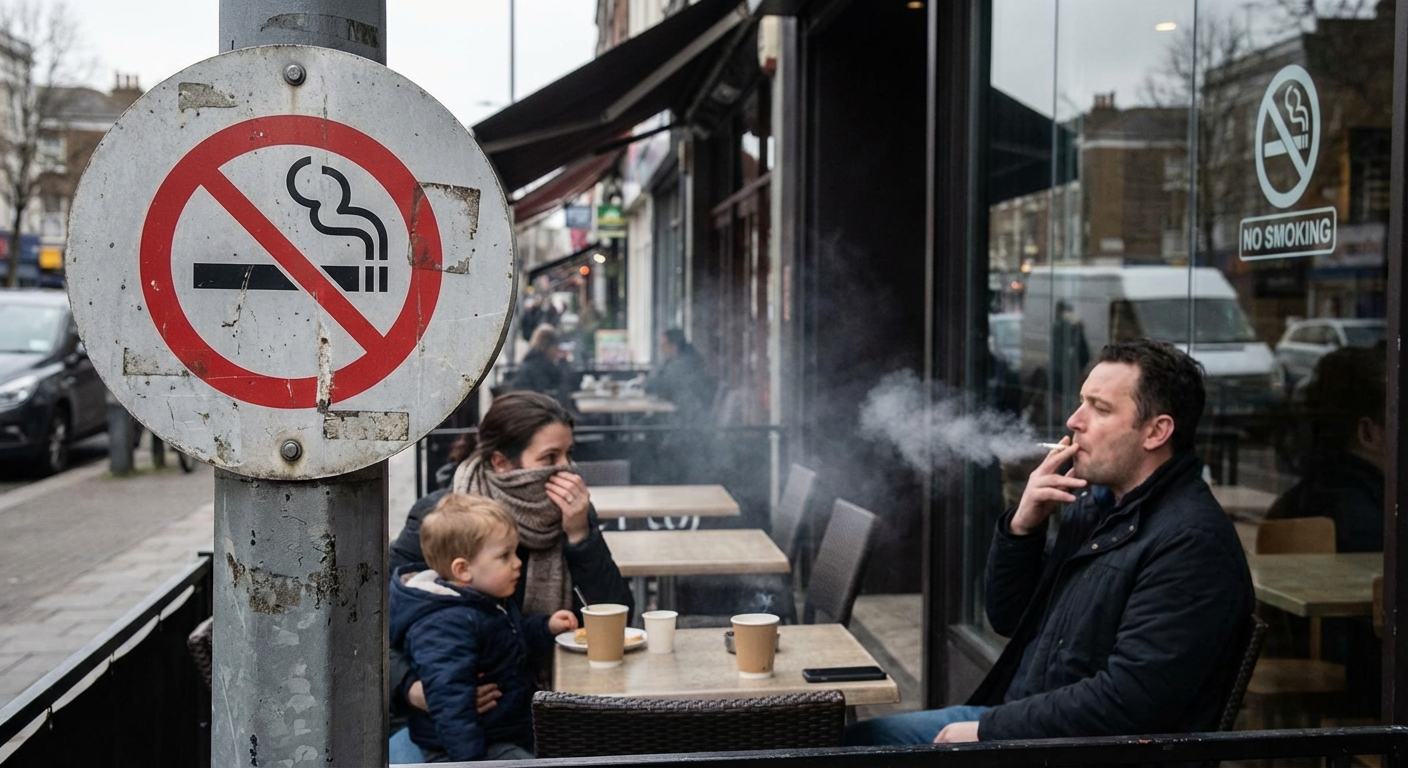
However, research also suggests that certain groups face higher exposure risks. Children, pregnant individuals, and people in poorly ventilated indoor spaces are more vulnerable to the effects of secondhand smoke—cannabis or otherwise.
What makes this tricky is that cannabis smoke still contains combustion byproducts that can irritate airways and affect indoor air quality, similar to any smoke. The particulate matter and various compounds released during smoking can impact respiratory health, even if the THC levels are low.
The bottom line: secondhand cannabis smoke isn’t harmless, but it’s not identical to cigarette smoke either. The real takeaway is that proper ventilation and smoke-free policies in shared indoor spaces make sense for protecting everyone’s health, regardless of the smoke source.
How Secondhand Cannabis Smoke Affects Indoor Air Quality
When someone smokes cannabis indoors, it doesn’t just disappear into thin air. The smoke particles and chemical compounds linger in your home’s environment, settling on surfaces and circulating through your ventilation system. Understanding how this affects indoor air quality is crucial, especially if you’re living with or near someone who smokes.
Cannabis smoke contains hundreds of chemical compounds, many of which can remain suspended in indoor air for hours. These particles are incredibly small, making them easy to inhale and difficult to filter out completely. Unlike opening a window for a few minutes, truly clearing cannabis smoke from indoor spaces requires sustained ventilation and often professional-grade air filtration.
The Ventilation Challenge
Here’s the thing about ventilation: standard household fans and open windows help, but they’re not foolproof solutions. Cannabis smoke can seep into adjacent rooms through cracks under doors, ventilation ducts, and shared HVAC systems in apartment buildings. Even if someone smokes near a window, smoke still disperses throughout the indoor space before escaping outside.
What Research Shows
Studies indicate that exposure to secondhand cannabis smoke can affect indoor air quality for extended periods. The smoke contains particulate matter that impacts air quality metrics similar to tobacco smoke. People with respiratory conditions, children, and elderly individuals may be particularly sensitive to these pollutants.
Protecting Your Indoor Environment
- Use HEPA filters and air purifiers designed for smoke removal
- Maintain consistent ventilation through windows and exhaust fans
- Seal gaps around doors and windows
- Consider separate smoking areas away from shared spaces
The bottom line: protecting indoor air quality requires proactive measures beyond simple ventilation.
Current Secondhand Smoke Laws and Regulations
Secondhand smoke laws have evolved significantly over the past two decades, reflecting growing public health concerns about exposure risks. Today, many jurisdictions have implemented comprehensive smoke-free laws that restrict smoking in indoor air spaces, particularly in public areas where exposure to smoke is unavoidable.
The landscape of smoke-free laws varies considerably depending on where you live. Some regions have enacted strict regulations that ban smoking in nearly all public spaces, while others take a more moderate approach with designated smoking areas or exemptions for certain venues.
Common Smoke-Free Spaces
Most smoke-free laws typically cover:
- Restaurants and bars
- Offices and workplaces
- Healthcare facilities and hospitals
- Public transportation
- Schools and educational institutions
- Government buildings
These regulations aim to protect vulnerable populations, including children and individuals with respiratory conditions, from involuntary exposure to harmful smoke in spaces where they have limited choice about attendance.
Ventilation Requirements
Many jurisdictions recognize that ventilation alone cannot adequately protect indoor air quality from secondhand smoke. While some establishments have invested in advanced ventilation systems, research consistently shows that mechanical filtration cannot completely eliminate exposure risks. This understanding has driven the shift toward comprehensive smoke-free policies rather than relying solely on ventilation improvements.
Understanding your local smoke-free laws helps you know your rights and responsibilities. Whether you’re a business owner, employer, or someone concerned about secondhand smoke exposure, staying informed about current regulations in your area is essential. Check with your local health department for the most up-to-date information about smoke-free requirements in your jurisdiction.