
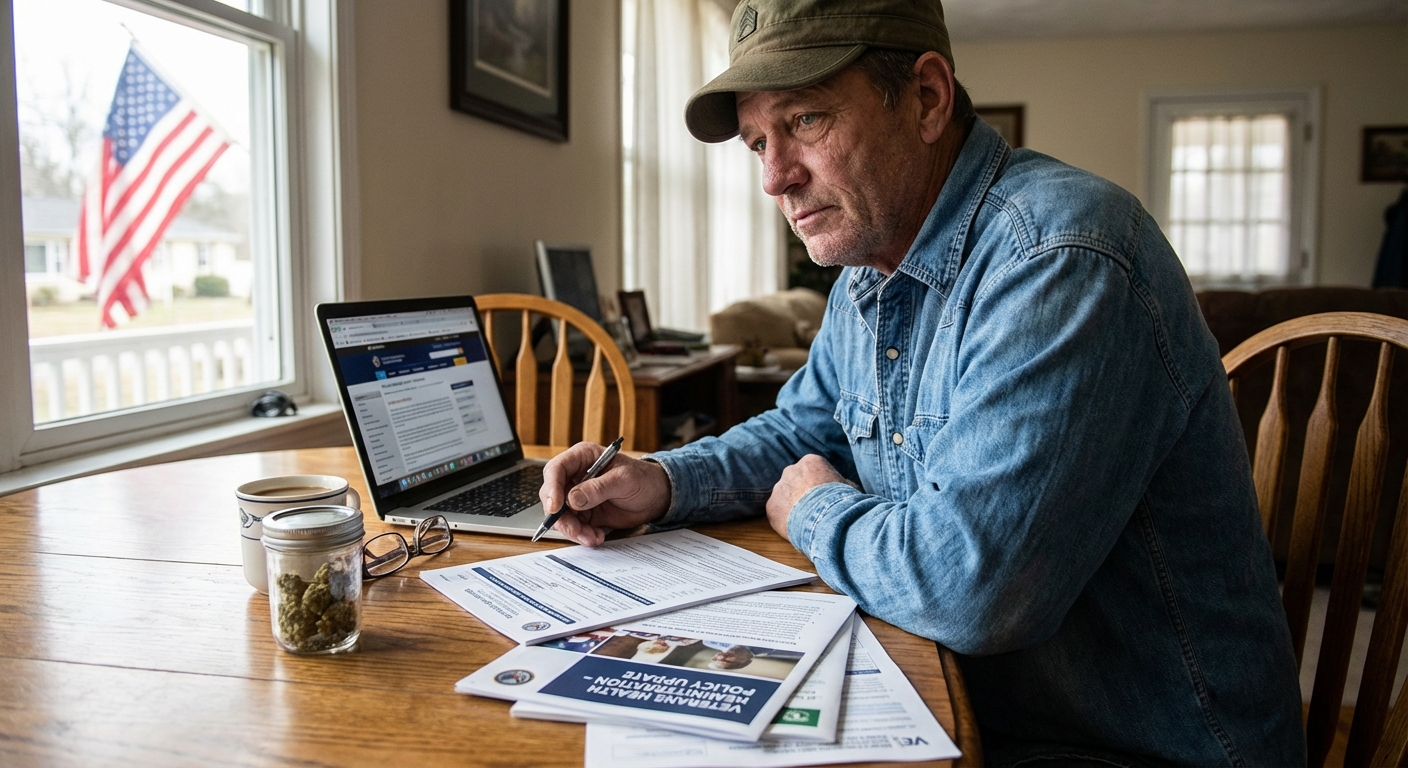
The Current State of VA Cannabis Policy and Why Veterans Are Frustrated
The Department of Veterans Affairs remains in a complicated position when it comes to cannabis. Despite growing momentum across the country for legalization and medical use, the VA operates under federal restrictions that severely limit what they can do—and what they can say—about cannabis as a treatment option.
Here’s the core issue: while 38 states have legalized medical cannabis, the VA cannot recommend it, prescribe it, or even discuss it as a potential therapeutic option with veterans in most circumstances. This creates a frustrating paradox. Many veterans are turning to cannabis to manage their symptoms, particularly PTSD, chronic pain, and anxiety, yet they can’t have an open conversation about it with the healthcare providers who know their medical history best.
The VA limitations stem from federal law, which classifies cannabis as a Schedule I controlled substance. This classification essentially tells VA doctors that cannabis has no accepted medical use, making official recommendations impossible. For veterans seeking relief, this bureaucratic barrier feels outdated and disconnected from the reality of their suffering.
What’s particularly frustrating is the disconnect between what research suggests and what policy allows. Growing evidence points to cannabis’s potential benefits for PTSD and other service-related conditions, yet clinical studies remain limited precisely because federal restrictions make research difficult to conduct. It’s a chicken-and-egg problem that leaves veterans caught in the middle.
Veterans aren’t asking for hand-holding or free cannabis. They’re asking for honesty. They want their VA providers to acknowledge what they’re using, discuss access barriers openly, and participate in the conversation about their own care. Instead, many feel forced to keep their cannabis use private, creating a dangerous gap between their VA records and their actual treatment regimen.
The Impact on Veterans’ Healthcare and Quality of Life
Veterans across the country are hitting a wall when it comes to cannabis access through the Department of Veterans Affairs. Despite growing acceptance and legalization in many states, the VA maintains strict federal restrictions that leave many veterans stuck in the middle of conflicting laws. It’s a frustrating situation that highlights a significant gap between what veterans need and what the system actually provides.
The core issue boils down to federal scheduling. Cannabis remains a Schedule I controlled substance under federal law, which means the VA—as a federal agency—cannot recommend, prescribe, or even discuss cannabis with veterans as a potential treatment option. This creates an impossible situation for veterans managing PTSD, chronic pain, and other service-related conditions who might benefit from cannabis research and clinical studies.
Many veterans have found relief using cannabis in states where it’s legal, but they’re forced to navigate this path completely outside the VA system. That means:
- No medical supervision or dosing guidance from VA providers
- No integration with their existing VA treatment plans
- Concerns about how cannabis might interact with their current medications
- Fear of losing VA benefits if they disclose use
The frustration runs deeper than just access barriers. Many veterans feel abandoned by an institution they served, especially when they see promising PTSD research happening at universities and private institutions. Policy advocacy groups are pushing for change, arguing that the VA’s blanket prohibition prevents veterans from accessing treatments that could genuinely improve their quality of life.
This contradiction—between state legality and federal restriction—leaves veterans in a difficult position where they must choose between VA care and potential cannabis treatment options.
Pathways to Reform and Advocacy Efforts
Veterans across the country are running into a frustrating wall when it comes to cannabis use and the Veterans Affairs system. Despite growing acceptance of cannabis in many states, the VA operates under federal guidelines that classify cannabis as a Schedule I controlled substance. This creates a significant disconnect between what veterans can legally access in their home states and what the VA will support or even discuss with them.
Veterans dealing with PTSD, chronic pain, and anxiety are particularly frustrated. They hear anecdotal success stories from peers about how cannabis has helped manage their symptoms, yet they can’t access legitimate clinical studies through the VA to explore whether it could work for them. The lack of PTSD research on cannabis compounds this problem—there’s simply not enough rigorous scientific evidence, partly because federal restrictions make such research difficult to conduct.
What makes this especially maddening is that some VA facilities quietly tolerate cannabis use as long as veterans don’t disclose it, while others are more restrictive. This inconsistency leaves veterans confused about their rights and worried about losing benefits if they’re honest about their usage.
The bottom line: veterans feel caught between federal policy and common sense, watching their peers and fellow citizens benefit from something they’re told they can’t have.