
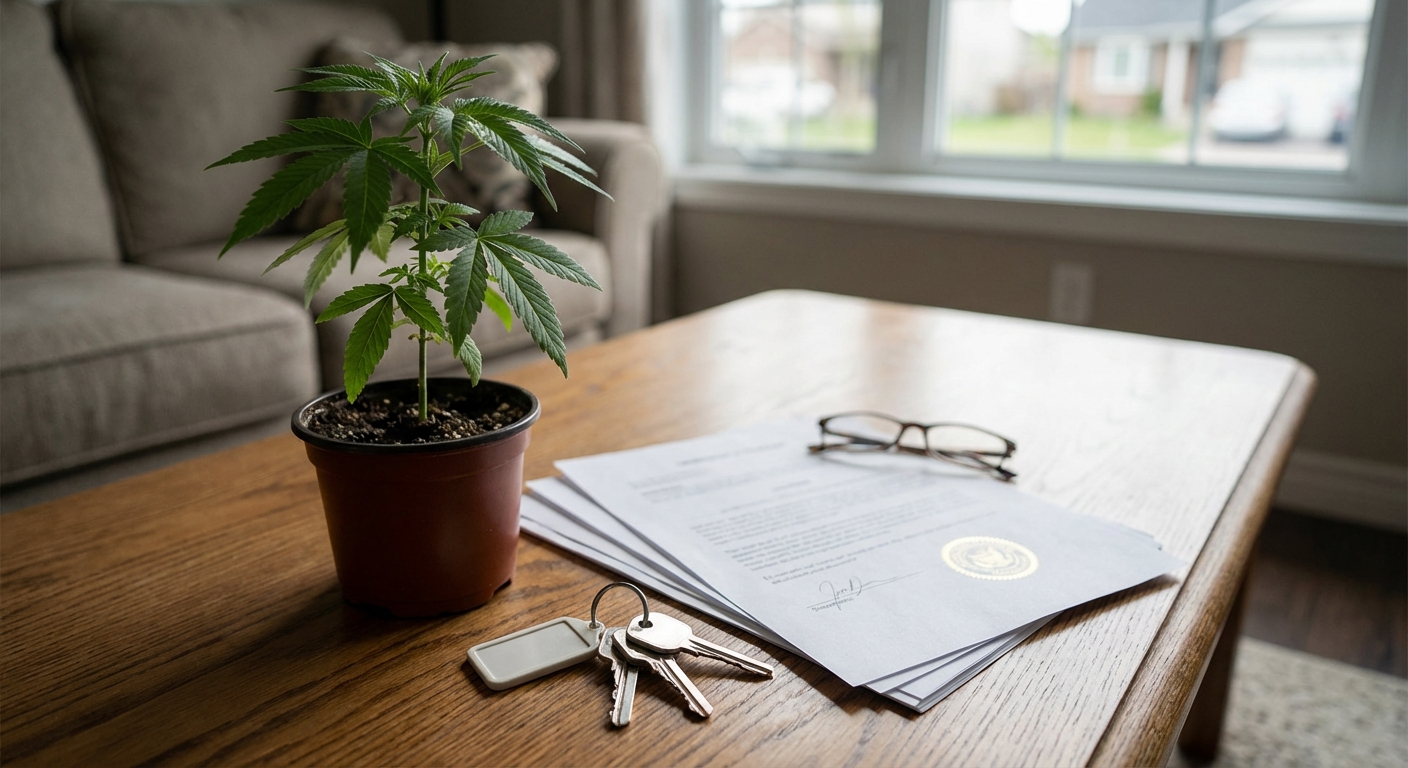
Understanding Cannabis Laws and Your Rental Agreement: What You Need to Know
The relationship between cannabis use and rental policies can feel confusing, especially since laws are constantly changing across different states and cities. Before you sign a lease or light up, it’s crucial to understand what your rental agreement actually says and how local ordinances affect your rights as a tenant.
Here’s the thing: just because cannabis is legal in your state doesn’t automatically mean your landlord has to allow it in your rental property. Landlords retain significant control over what happens within their buildings, and they can enforce strict policies even where cannabis is otherwise legal. This is why carefully reviewing your rental agreement matters so much.
What Your Lease Actually Says
Your rental agreement likely contains clauses about smoking, drug use, or substance policies. Some leases are vague, simply prohibiting “illegal drugs,” while others are explicit about cannabis use. Pay close attention to language that restricts smoking in general or mentions cannabis specifically. These restrictions apply to you legally, regardless of state-level legalization.
The Gap Between State Law and Landlord Rights
This is where things get tricky. Many states have legalized cannabis, but they’ve also given landlords the right to maintain smoke-free buildings or ban cannabis altogether. Local ordinances sometimes add another layer, restricting where you can use cannabis even if it’s legal statewide.
Understanding this three-way intersection—state law, local ordinances, and your specific lease terms—is essential for protecting your tenant rights. Don’t assume that legalization means freedom to use cannabis in your rental. Instead, take time to review your lease carefully and research your local regulations. If you’re unsure about anything, ask your landlord or seek legal guidance. Knowing where you stand protects you from potential eviction or lease violations.
Navigating Smoke-Free Building Policies and Your Rights as a Tenant
Smoke-free building policies have become increasingly common in rental properties across the country, and it’s crucial to understand how these rules affect your rights as a tenant. Many landlords implement these policies to protect the property and respect the comfort of all residents, but knowing where you stand legally can help you navigate these restrictions confidently.
First, it’s important to recognize that landlords have the right to establish smoke-free policies in their buildings. These policies typically extend beyond traditional tobacco and may include cannabis use, depending on local ordinances and state laws. Before signing a lease, carefully review the rental agreement to identify any specific restrictions on smoking or cannabis consumption.
What You Should Know About Smoke-Free Clauses
- Indoor vs. Outdoor Use: Some buildings allow cannabis use on balconies or designated outdoor areas, while others prohibit it entirely on the property.
- Medical Cannabis Exceptions: In certain jurisdictions, medical cannabis users may have additional protections or exemptions from strict smoke-free policies.
- Lease Enforcement: Landlords can enforce smoke-free policies through lease violations, which could result in fines or eviction proceedings.
If you use cannabis for medical purposes, research your local ordinances to understand your protections. Some states require landlords to make reasonable accommodations for medical cannabis patients, similar to other disability-related accommodations.
Communication is key. If you’re concerned about a smoke-free policy or believe it conflicts with your rights, contact your landlord or property management to discuss your situation. Understanding your tenant rights and the specific language in your rental agreement empowers you to make informed decisions about where you live and ensures you’re not caught off guard by enforcement actions.