
Understanding Cannabis Excise Taxes and How They Work in Legal Markets
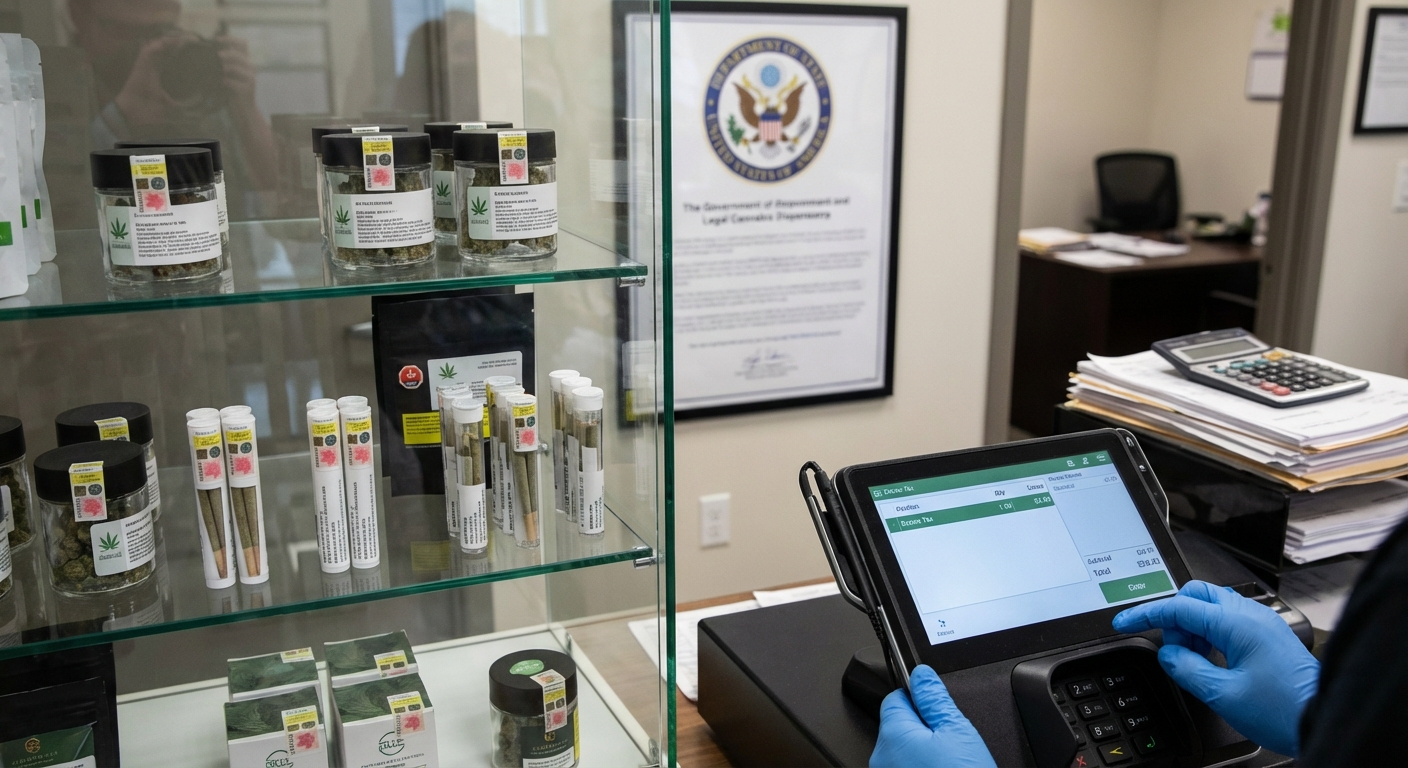
When you buy cannabis from a legal dispensary, you’re paying more than just the base price of the product. That extra cost comes largely from excise taxes, which are special taxes applied to specific goods. Think of them as a dedicated fee on cannabis sales that goes straight to state and local governments.
So how do these excise taxes actually work? It’s simpler than you might think. When a cannabis product moves through the supply chain—from grower to processor to retailer—taxes get applied at various points. Some states tax at the wholesale level, others at the retail level, and many do both. The percentage can vary dramatically depending on where you live, ranging anywhere from 10% to over 45% of the final purchase price.
The money collected from these taxes doesn’t just disappear into a general fund. States typically allocate revenues toward several key areas:
- Public health and drug prevention programs
- Drug treatment and rehabilitation services
- Law enforcement and regulatory oversight
- Equity programs supporting communities impacted by cannabis prohibition
- General state budgets and infrastructure
What makes excise taxes particularly important to understand is their ripple effect on the entire market. These taxes directly influence price elasticity—basically how sensitive consumers are to price changes. When taxes push prices too high, some people abandon legal dispensaries and turn to the illicit market, where products are cheaper but unregulated and untested.
Finding the right balance is the real challenge. Set taxes too low, and you miss out on crucial revenue allocation for public services. Set them too high, and you inadvertently support illegal drug dealers. It’s a delicate dance that policymakers are still figuring out across different states.
The Real Impact: How Excise Taxes Shape Consumer Behavior and Market Dynamics
When you walk into a legal cannabis dispensary, the price tag you see tells only part of the story. Excise taxes—those sneaky add-ons tacked onto the final price—have a surprising amount of influence over what people actually buy and where they choose to shop. Understanding this impact helps explain why legal cannabis markets look the way they do today.
Let’s talk about price elasticity, which is just a fancy way of saying how sensitive customers are to price changes. Cannabis consumers are surprisingly price-conscious. When excise taxes push prices too high, something interesting happens: people don’t always switch to legal dispensaries. Instead, many turn back to the illicit market, where prices remain lower and taxes don’t apply. It’s a frustrating reality for regulators trying to build thriving legal markets.
The sweet spot for tax rates is crucial. Set them too high, and you defeat the purpose of legalization—creating a competitive, legitimate industry. Set them too low, and governments miss out on funding for important programs. Most states have discovered that moderate excise tax rates—typically between 10 and 20 percent—work better at encouraging legal purchases while still generating meaningful revenue.
But here’s where it gets interesting: smart tax policies can actually shape markets for the better. Lower taxes on certain products encourage consumers toward them, while higher taxes can discourage consumption of particularly potent items. Some jurisdictions use this strategically to guide consumer choices.
The real winners or losers in this equation are consumers and communities. Higher taxes might reduce access for some, while the revenue allocation from excise taxes funds everything from schools to drug treatment programs. It’s a complex balancing act that continues to evolve as legal markets mature and regulators learn what actually works.
The Economic Impact of Cannabis Excise Taxes on Pricing and Consumer Behavior
When you walk into a legal cannabis dispensary, the price tag you see tells only part of the story. Behind those numbers lies a complex system of excise taxes that significantly shapes what consumers pay and how they shop. Understanding this impact helps explain why legal cannabis often costs more than its illicit market counterpart.
Excise taxes on cannabis work like a built-in markup on the product. These taxes are levied at various points in the supply chain—sometimes at cultivation, processing, or retail—and they accumulate. In states like California and Colorado, excise taxes can add 15 to 45 percent to the final retail price, depending on local regulations. This substantial increase directly affects price elasticity, which measures how sensitive consumers are to price changes.
The relationship between taxes and consumer behavior is crucial. When excise taxes push prices too high, price elasticity kicks in: consumers become more price-sensitive and may look for alternatives. This creates a genuine challenge for legal markets. If legal cannabis becomes too expensive compared to illicit market options, customers might turn to unlicensed dispensaries or street dealers. This isn’t just theory—studies from multiple states show that excessive taxation can actually push consumers toward the illicit market rather than supporting legal operations.
However, there’s a balancing act here. Reasonable excise tax rates can fund important initiatives without driving people away. Revenue allocation from these taxes typically supports equity programs, regulatory oversight, and public health initiatives. The key is finding that sweet spot where taxes generate meaningful revenue while keeping legal cannabis competitive enough that consumers choose legitimate sources.
Smart tax policy considers both fiscal needs and market realities, ensuring that legal markets thrive rather than shrink in the shadow of illicit competition.
The Impact of Excise Taxes on Price Elasticity and Consumer Behavior
When cannabis excise taxes hit the market, something interesting happens at the checkout counter. Consumers start making different choices based on how much their wallet can handle. This is where price elasticity comes into play—it’s basically the fancy way of saying how sensitive people are to price changes.
Here’s the thing: cannabis consumers aren’t all the same. Some folks will pay whatever it takes to get their preferred product, while others might switch to cheaper alternatives or smaller quantities when taxes push prices up. Studies show that cannabis has moderate price elasticity, meaning taxes do influence buying patterns, but not dramatically in most cases.
The real challenge emerges when excise taxes become too steep. If legal products get priced out of reach, consumers often look elsewhere—and that’s where the illicit market makes its comeback. It’s a delicate balancing act for policymakers who need to generate revenue without accidentally pushing people back to unlicensed dealers.
What makes this particularly interesting is that different consumer groups respond differently to price increases. Medical users tend to be less price-sensitive since they need their medication regardless, while recreational consumers might be more willing to shop around or reduce consumption. Some states have tackled this by offering tax relief for medical patients, which helps maintain legitimate market share in that segment.
Understanding price elasticity also helps explain why some markets thrive while others struggle. Places with reasonable tax rates typically see healthier legal markets, more tax revenue overall, and less illicit activity. It’s not about having the lowest taxes—it’s about finding the sweet spot where the market stays vibrant and people choose legal options because they make sense.
The Impact of Excise Taxes on Pricing and Consumer Behavior
When cannabis excise taxes hit the market, they don’t just disappear into government coffers—they fundamentally reshape how consumers shop and what they’re willing to pay. Understanding this dynamic is crucial for anyone interested in how legal cannabis markets actually function.
Let’s talk about price elasticity for a moment. This fancy economics term simply means how much demand changes when prices go up. Cannabis has proven to be moderately price-elastic in legal markets, meaning that when taxes push prices higher, some customers actually do reduce their purchases or seek alternatives. However, the relationship isn’t straightforward. A lot depends on local competition, product quality, and consumer loyalty to legal retailers.
Here’s what happens in practice: retail prices in heavily taxed markets like California can be 30-50% higher than in states with lower tax burdens. This creates a genuine problem because those price differences can incentivize consumers to turn to the illicit market. When legal cannabis costs significantly more than black market options, customers sometimes make the economics-driven choice to avoid taxes altogether.
But there’s a silver lining. Consumer behavior data shows that many people are willing to pay reasonable premiums for legal products when they value safety, quality assurance, and regulatory compliance. The key word here is “reasonable.” Excise tax levels matter tremendously. Overly aggressive taxation can backfire, actually shrinking the legal market and strengthening illicit competitors.
Smart policy makers recognize this delicate balance. They’ve learned that moderate, tiered tax structures work better than one-size-fits-all approaches. By adjusting tax rates strategically, states can maintain healthy revenue streams while keeping legal prices competitive enough that consumers choose legitimate retailers over underground options.